Design preview · Coming soon
Skip to contentWatch & learn
See how the
connections work.
Explore a lesson, one chapter at a time. The storyboard is ready to browse; video recordings are coming soon.
Coming soonSample content for this design. This resource is coming soon.
From source fields to an answer
Select a chapter to explore its storyboard.01 / 03 Lesson storyboard
Start with the things that matter.
Supplier, Product and Order describe categories. Each record belongs to a type and keeps its own identity.
02 / 03 Lesson storyboard
A relationship needs a key.
Sourceorders.productOriginal field
→OntologyOrder → ProductA defined relationship
orders.product = products.id
Connect a business property to its source. The sample resolves each ordered product through an explicit identifier.
03 / 03 Lesson storyboard
Keep the evidence with the answer.
OntomatoThree matching orders. One traceable total.
$99,500SO-1042 · SO-1048 · SO-1051 The fictional sample counts each matching order once. Its amount can be traced back to the original records.
Find your next lesson.
Sample curricula for the learning library. Recordings and final lesson lengths are coming soon.
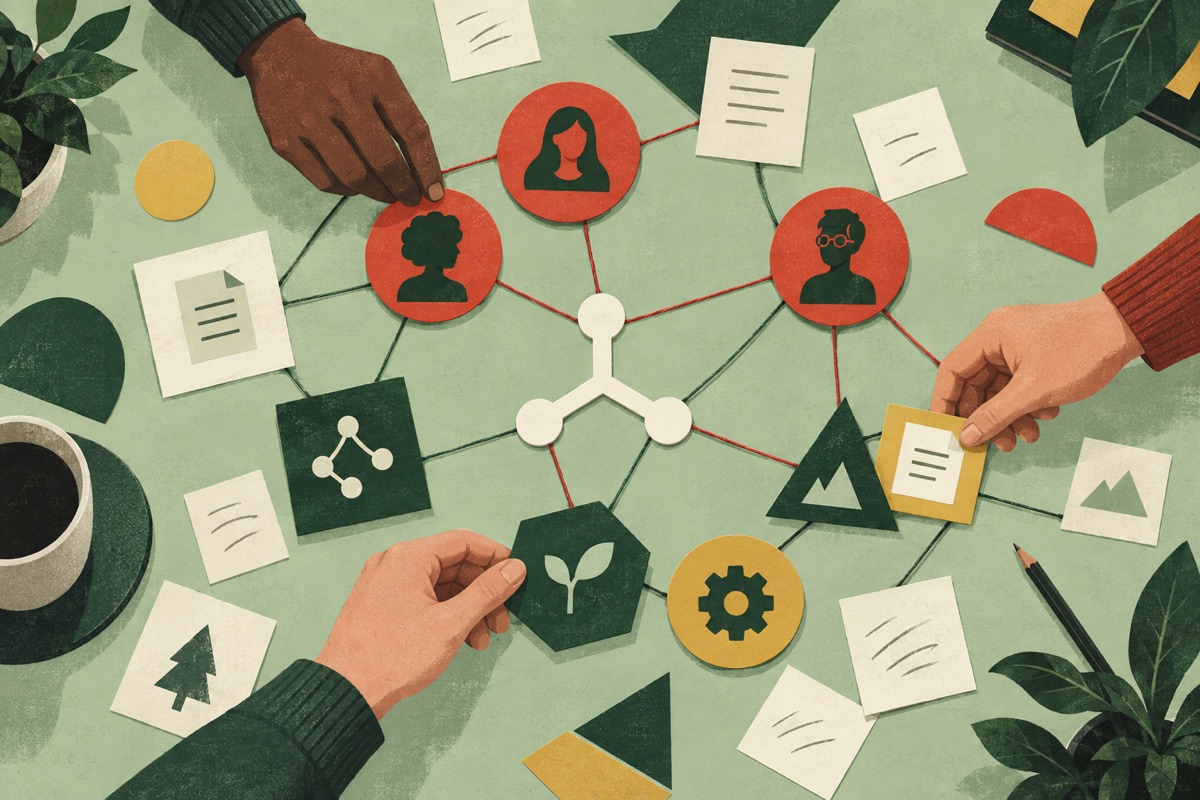
Foundation · 3 chaptersOntology, from the ground up
Turn a business question into types, properties and meaningful relationships.
View the curriculum+

Workshop · 4 chaptersFrom a source field to a trusted property
Build a mapping that keeps identifiers, units and original records intact.
View the curriculum+
- Inspect the original fields
- Check identifiers and missing values
- Map the relationship keys
- Keep the source with the answer
Read the companion article↗ 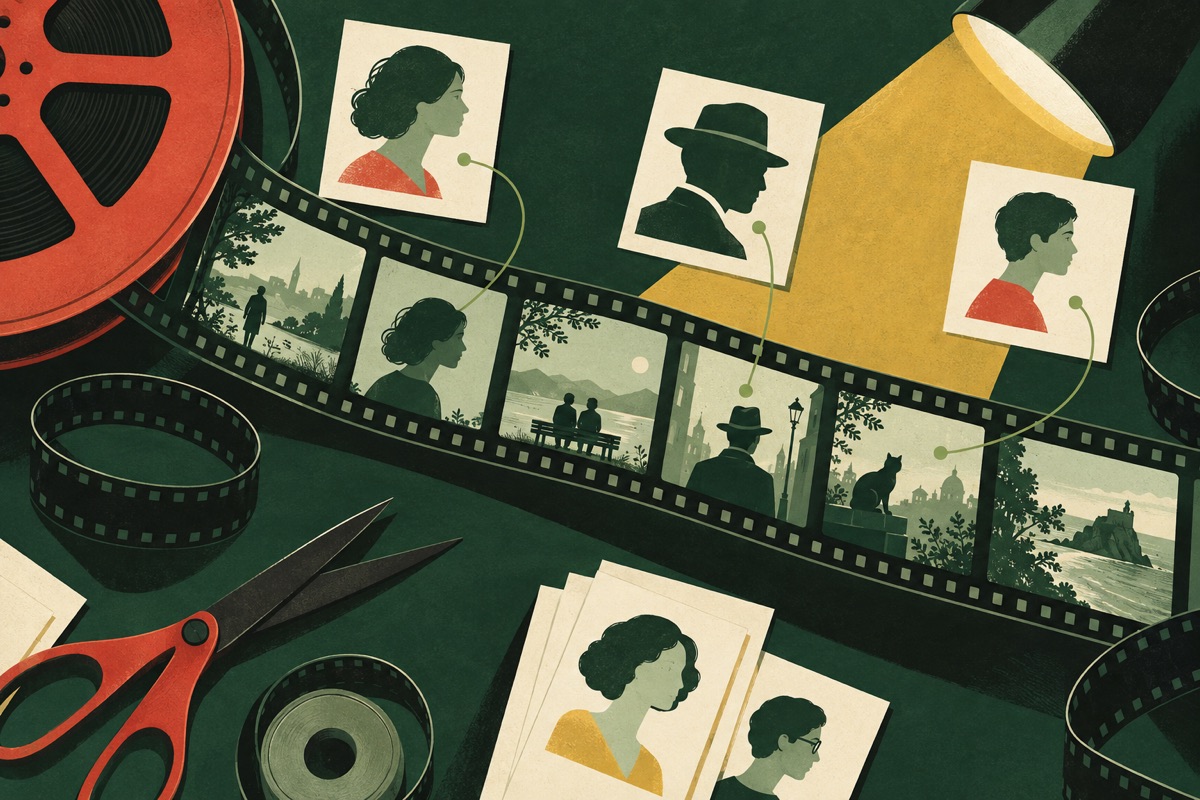
Applied example · 3 chaptersModel the people behind a film
Use a credit as the connection between a film, a person and a role.
View the curriculum+

Applied example · 3 chaptersFollow a story through its encounters
Separate the order of the story from the relationships between its characters.
View the curriculum+
Illustrative contentCommunity model clinic
Bring one question and a small source table. The proposed session walks through identity, relationship keys and the answer you expect to see.
- Format
- Guided workshop + open questions
- Schedule
- Coming soon; no date announced
Continue with something you can run.
Read the guide or inspect the sample records on your computer.
Watch & learn
Coming soon
Explore the lessons and their chapters while the recordings are prepared.